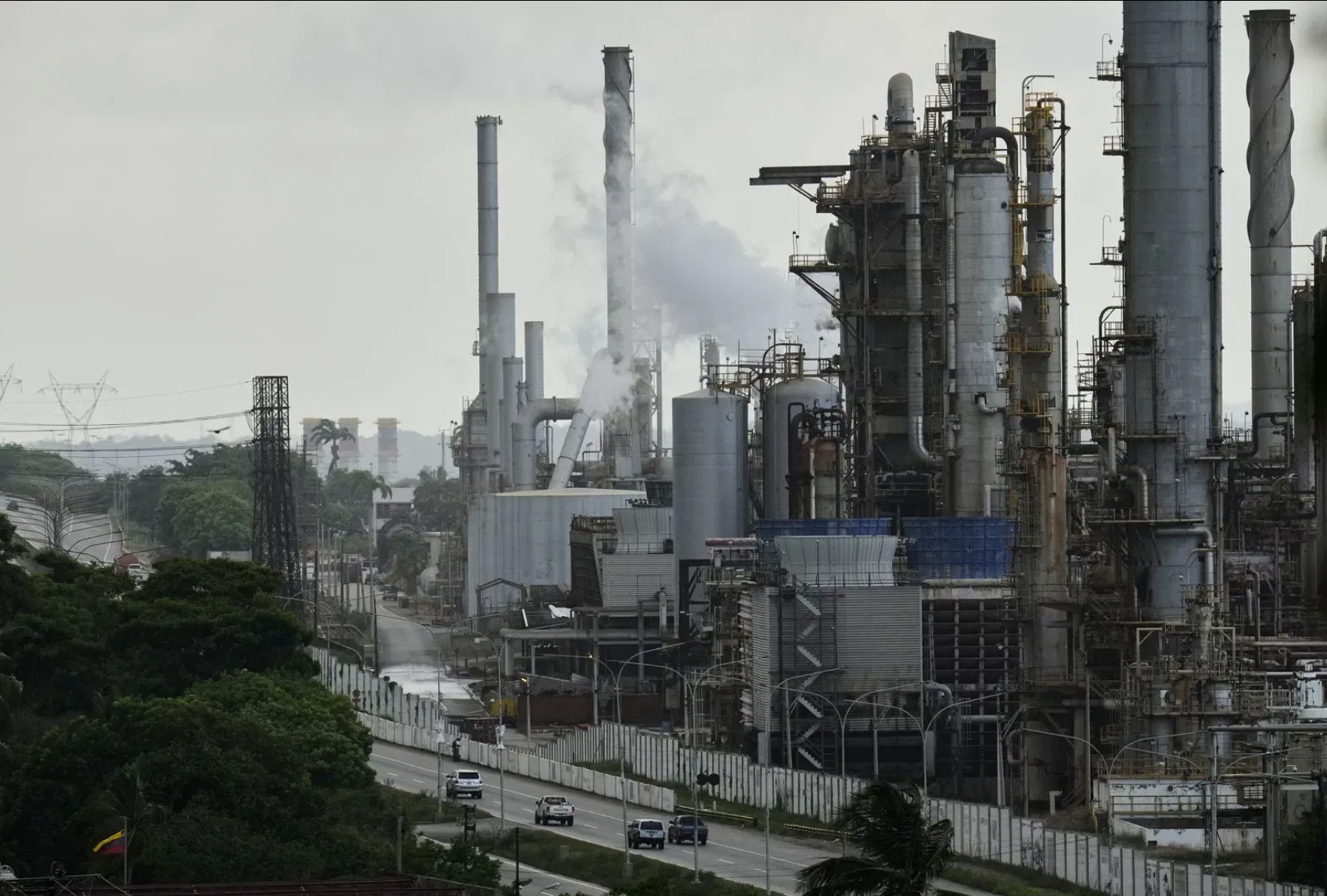
As tensions in the Middle East Gulf continue to shake global energy infrastructure, the Al-Ahmadi complex in Kuwait has emerged as a primary target. Recent geospatial data show the impact of drone and missile strikes on the country’s refining and administrative hubs.
Key Takeaways:
• Strategic Hits: The Al-Ahmadi complex—a massive hub housing two major refineries and the nation’s oil industry headquarters—has suffered from repeated waves of attacks. Both the Mina Al-Ahmadi and Mina Abdullah facilities have seen critical units knocked offline.
• Targeted Infrastructure: Damage is concentrated on essential operational areas, including crude trains and cokers. Administrative centers weren’t spared either, with strikes directly hitting the Kuwait Petroleum Corporation (KPC) headquarters.
• Operational Standstill: While KPC confirmed there were no casualties, the “significant material damage” has forced precautionary shutdowns. Satellite imagery shows ongoing repair efforts, with heavy machinery active across multiple damaged sites.
• The Global Ripple Effect: Kuwait’s refining industry is one of the world’s top exporters of jet fuel, and a primary supplier to Europe. Its operational struggles place a massive strain on Europe’s airline industry. With European inventories already low, this supply shortfall will add considerable pressure on the continent’s aviation sector in the coming weeks.
The situation underscores a fragile reality: even if the conflict in the Gulf comes to a prompt resolution, the physical damage to processing facilities creates a bottleneck and a supply gap that the global market may continue to face long after the Strait of Hormuz is reopened.

- Produkte
 Risiken
Bewältigen Sie klimabedingte physische Risiken und regulatorische Herausforderungen mithilfe unabhängiger Geodaten in Kombination mit KI.
 Energie
Entdecken Sie Investitionschancen und Erkenntnisse zur Volatilität im Kontext der Energiewende, Geopolitik und der KI-Revolution.
 Innovation Studio
Dank der leistungsstarken Geodaten- und KI-Technologien von Kayrros können Sie maßgeschneiderte Lösungen entwerfen und gemeinsam entwickeln, um Ihre Herausforderungen zu bewältigen.
- Industrien
- Ressourcen
- Unternehmen
- Open Data
- Search
- Demo Buchen
- Anmeldung
- Produkte Risiken
Bewältigen Sie klimabedingte physische Risiken und regulatorische Herausforderungen mithilfe unabhängiger Geodaten in Kombination mit KI.
EnergieEntdecken Sie Investitionschancen und Erkenntnisse zur Volatilität im Kontext der Energiewende, Geopolitik und der KI-Revolution.
Innovation StudioDank der leistungsstarken Geodaten- und KI-Technologien von Kayrros können Sie maßgeschneiderte Lösungen entwerfen und gemeinsam entwickeln, um Ihre Herausforderungen zu bewältigen.
- Industrien
- Ressourcen
- Unternehmen
- Open Data
- Search
- Demo Buchen
- Anmeldung
Data Reveals Significant Damage to Kuwaiti Refineries and KPC
Do you want to receive exclusive data insights and analysis?
- Posted on
RELATED ARTICLES
CATEGORIES
Kategorien
- 3D Mapping (1)
- Carbon Watch (4)
- Cement (1)
- China Power Watch (1)
- Unternehmen (16)
- Crude Oil Intelligence (34)
- Demand (10)
- E&P Intelligence (6)
- Emissionen (14)
- Events (1)
- Investoren (1)
- Jet Fuel Demand (2)
- LNG (3)
- Methan-Überwachung (3)
- On-Road (3)
- Operations (14)
- Plattform (4)
- Powerlines (1)
- Pressemitteilung (8)
- Production (16)
- Refineries (7)
- Technologie (17)
- The Commodity Picture (18)
- Trader (24)
- Uncategorized (2)
- Unclassified (2)
- Wildfire Risk Monitor (1)